303 vs 316 Stainless Steel: What’s the Difference?
Stainless steel is one of the most widely used materials in precision engineering, valued for its strength, durability and corrosion resistance. Two of the most common grades used in CNC machining are 303 stainless steel and 316 stainless steel.
While they may appear similar, each grade offers different properties and advantages depending on the application. Understanding the differences can help engineers, designers and procurement teams select the most suitable material for their precision turned components.
What Is 303 Stainless Steel?
303 stainless steel is a free-machining austenitic stainless steel specifically designed to improve machinability.
By adding sulphur to the material, manufacturers can achieve faster machining speeds, improved chip control and reduced tool wear compared to other stainless steel grades.
Benefits of 303 Stainless Steel
- Excellent machinability
- Faster production times
- Good corrosion resistance
- Cost-effective for many engineering applications
- Ideal for high-volume CNC machining
Because of its machining characteristics, 303 is commonly used for:
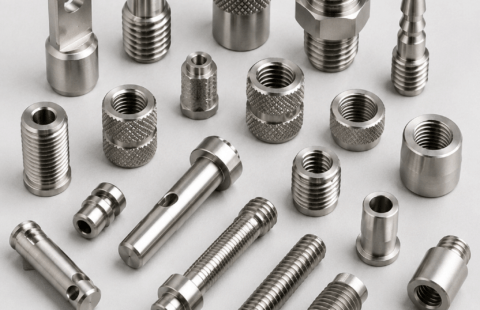
- Dowel pins
- Threaded inserts
- Spacers
- Fasteners
- Bushes
- Precision turned components
For many general engineering applications, 303 stainless steel offers an excellent balance of performance and manufacturing efficiency.
What Is 316 Stainless Steel?
316 stainless steel is often referred to as a marine-grade stainless steel due to its enhanced resistance to corrosion.
The addition of molybdenum provides improved protection against saltwater, chemicals and harsh environmental conditions, making it a popular choice for demanding applications.
Benefits of 316 Stainless Steel
- Superior corrosion resistance
- Excellent performance in marine environments
- Suitable for outdoor applications
- Strong resistance to chemicals and cleaning agents
- Long service life in challenging conditions
316 stainless steel is commonly used for:
- Marine components
- Offshore equipment
- Architectural fittings
- Medical equipment
- Food processing applications
- External fasteners and fixings
303 vs 316 Stainless Steel: Key Differences
| Property | 303 Stainless Steel | 316 Stainless Steel |
| Machinability | Excellent | Good |
| Corrosion Resistance | Good | Excellent |
| Marine Applications | Limited | Highly Suitable |
| Production Efficiency | Higher | Lower |
| Cost | Lower | Higher |
| General Engineering | Excellent | Excellent |
| Harsh Environments | Good | Excellent |
The biggest difference between the two grades is the balance between machinability and corrosion resistance.
303 machines more efficiently, making it an excellent choice for many precision turned components and production runs. 316 offers superior resistance to corrosion and is often selected when components will be exposed to moisture, saltwater or aggressive environments.
Which Stainless Steel Should You Choose?
The right material depends on the environment in which the component will operate.
Choose 303 Stainless Steel If:
- Machinability is a priority
- Components will be used in general engineering applications
- Cost efficiency is important
- Large production volumes are required
- The operating environment is relatively dry and controlled
Choose 316 Stainless Steel If:
- Components will be exposed to moisture or chemicals
- Marine or offshore use is expected
- Corrosion resistance is critical
- Long-term durability is a key requirement
- Components will be installed outdoors
Stainless Steel Machining at Bon Precision Engineering
At Bon Precision Engineering, we regularly manufacture precision turned components from both 303 and 316 stainless steel using our CNC sliding head machining capabilities.
Our team works closely with customers to understand the operating environment, performance requirements and production objectives before recommending the most appropriate material.
We manufacture a wide range of stainless steel components, including dowel pins, threaded inserts, spacers, clevis pins, custom fasteners and bespoke precision turned parts for customers across the UK and internationally.